
Home security is one of the most important investments you can make as a homeowner. While many people focus on alarm systems and security cameras, the foundation of any secure home starts with proper locksmith services and maintenance. Whether you're a new homeowner in Huntington, NY, or you've lived in your home for years, understanding essential locksmith safety tips can make the difference between a secure household and a vulnerable one. In this comprehensive guide, we'll share professional insights to help you protect your family and property with proven security practices.
Understanding Your Home's Lock System
Before implementing any safety measures, it's crucial to understand the different types of locks protecting your home. Most residential properties use a combination of deadbolts, knob locks, and sometimes smart locks. Each serves a specific purpose, and knowing their strengths and weaknesses helps you make informed security decisions.
Deadbolts are your primary line of defense and should be installed on all exterior doors. They come in single-cylinder and double-cylinder varieties, with the former using a key on the outside and a thumb turn on the inside. Double-cylinder deadbolts require a key on both sides, offering enhanced security but potentially creating safety concerns in emergency situations.
Knob locks alone are never sufficient for exterior doors, as they can be easily compromised. They should always be paired with a deadbolt for adequate protection. Smart locks are becoming increasingly popular, offering keyless entry and remote access capabilities, but they require regular software updates and battery maintenance to function properly.
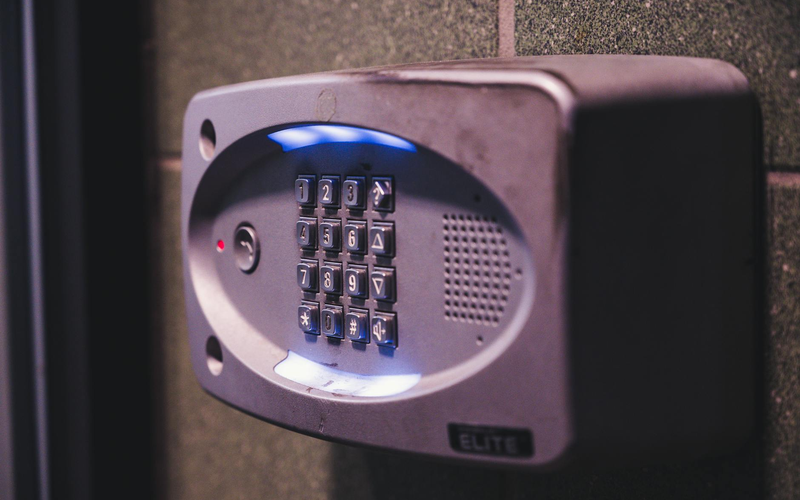
Never Ignore Lock Maintenance
Many homeowners overlook regular lock maintenance until a problem occurs. This reactive approach can leave your home vulnerable and may result in being locked out at the most inconvenient times. Preventive maintenance is simple and can extend the life of your locks significantly.
Lubricate your locks at least twice a year using graphite powder or silicone-based lubricants. Avoid using oil-based products, as they can attract dirt and eventually cause the lock mechanism to jam. If you notice your key becoming difficult to turn or the lock feels sticky, address the issue immediately rather than forcing the key, which could result in it breaking inside the lock.
Inspect your locks regularly for signs of wear, loose screws, or damage. Tighten any loose strike plates or door hardware, as these can compromise the effectiveness of even the best locks. If you notice any wobbling or unusual resistance, contact a professional locksmith to assess the situation before it becomes a security risk.
The Importance of Rekeying When Moving In
One of the most critical yet often overlooked safety tips is rekeying your locks when moving into a new home. Even if the previous owners assure you they've handed over all keys, you can never be certain who else might have copies. Previous homeowners may have given keys to neighbors, contractors, house sitters, or cleaning services over the years.
Rekeying is a cost-effective solution that allows you to keep your existing locks while changing the internal pins so that old keys no longer work. This process is typically much less expensive than replacing all your locks and can usually be completed in a few hours by a professional locksmith.
In addition to rekeying, consider upgrading your locks if the existing ones are outdated or low-quality. This is an excellent opportunity to install high-security locks that offer better protection against picking, bumping, and drilling. Your locksmith can assess your current hardware and recommend appropriate upgrades based on your security needs and budget.
Secure All Entry Points, Not Just the Front Door
Many homeowners invest in a high-quality lock for their front door but neglect other entry points. Burglars often look for the path of least resistance, which might be a back door, side entrance, or garage access door. Every door that provides access to your home should have the same level of security as your main entrance.
Back and side doors are particularly vulnerable because they're often less visible to neighbors and passersby. Install deadbolts on all exterior doors, and ensure they have reinforced strike plates with at least three-inch screws that penetrate the door frame and wall studs. This makes it much more difficult for intruders to kick in the door.
Don't forget about your garage door, which is a common entry point for burglars. If your garage connects to your house, treat the interior door with the same security measures as your exterior doors. Consider installing a deadbolt and keeping it locked at all times, even when you're home.
Key Control and Management
Proper key management is essential for maintaining home security. Many homeowners are casual about key distribution, which can create significant vulnerabilities. Implement a systematic approach to controlling who has access to your home and when.
Limit the number of people who have keys to your home. While it might seem convenient to give keys to friends, family members, or service providers, each additional key represents a potential security risk. If you need to provide temporary access to contractors or housekeepers, consider using a lockbox with a combination that you can change, or schedule appointments when you can be present.
Never label your keys with your address or any identifying information. If you lose your keys, this makes it easy for anyone who finds them to locate your home. Instead, use a coded system that only you understand. Additionally, avoid leaving spare keys in obvious hiding spots like under the doormat, above the door frame, or in a fake rock near the entrance. Experienced burglars know exactly where to look.
When to Call a Professional Locksmith
While some lock-related tasks can be DIY projects, many situations require professional expertise. Knowing when to call a locksmith can save you time, money, and frustration, while ensuring your home security isn't compromised by amateur work.
Call a professional locksmith if you've been locked out of your home. Attempting to break in yourself can damage your locks, doors, or windows, resulting in costly repairs. Professional locksmiths have the tools and training to gain entry without causing damage in most situations.
If you've experienced a break-in or attempted break-in, contact a locksmith immediately to assess the damage and upgrade your security. They can identify vulnerabilities that the intruder exploited and recommend improvements to prevent future incidents. This might include installing high-security locks, reinforcing door frames, or adding additional security hardware.
When keys break off inside locks, resist the urge to extract them yourself with household tools. You could push the key fragment deeper into the lock mechanism or damage the internal pins, requiring a complete lock replacement rather than a simple key extraction.
Upgrading to High-Security Locks
Standard residential locks offer basic protection, but high-security locks provide significantly enhanced resistance to common break-in techniques. Understanding the benefits of these upgrades helps you make informed decisions about your home security investment.
High-security locks are designed with advanced features that make them resistant to picking, bumping, and drilling. They typically include hardened steel inserts, anti-drill plates, and complex pin configurations that thwart manipulation attempts. Many also feature patented keyways, meaning keys can only be duplicated by authorized dealers, giving you better control over who can make copies.
While high-security locks represent a larger initial investment than standard locks, they offer superior protection and longevity. Consider installing them on your most vulnerable entry points first, such as doors that aren't visible from the street or that provide direct access to bedrooms or valuable storage areas.
Some high-security locks also offer key control systems that track who has keys and when they were issued. This is particularly valuable if you rent out your property or have multiple people who need access at different times.
Smart Lock Technology and Safety Considerations
Smart locks represent the latest evolution in home security, offering convenience and advanced features. However, they also come with unique considerations that every homeowner should understand before making the switch.
Smart locks allow you to lock and unlock doors remotely using a smartphone app, grant temporary access to visitors, and receive notifications when doors are opened. Many integrate with home automation systems, enabling you to create comprehensive security routines. However, they depend on batteries and internet connectivity to function properly.
Always choose smart locks from reputable manufacturers with strong encryption and regular security updates. Cheap or poorly designed smart locks can be vulnerable to hacking. Research the manufacturer's track record and read reviews from security professionals before making a purchase.
Maintain your smart locks properly by replacing batteries before they die completely and keeping the firmware updated. Many smart locks will alert you when batteries are running low, but don't ignore these warnings. Consider keeping the physical key backup in a secure location in case of technical failures.
Window Security and Locksmith Services
While doors are the primary focus of most home security discussions, windows represent another significant vulnerability. Locksmith services extend beyond door locks to include window security solutions that complement your overall home protection strategy.
All ground-floor windows and any windows accessible via ladders, porches, or adjacent structures should have secure locks. Standard window latches are often insufficient, as they can be easily manipulated from outside. Consider upgrading to keyed window locks or adding secondary security measures like window pins or bars.
Basement windows are particularly vulnerable because they're often hidden from view and may not be checked as frequently as other windows. Ensure all basement windows have functional locks and consider installing window well covers or bars for added security.
For sliding glass doors and windows, install a security bar or dowel in the track to prevent the window from being forced open even if the lock is compromised. This simple addition provides an extra layer of protection that's highly effective.
Creating a Home Security Audit Routine
Establishing a regular security audit routine helps you identify and address vulnerabilities before they're exploited. Set aside time at least twice a year to thoroughly inspect your home's security features and make necessary improvements.
Walk around your entire property, testing every lock on doors and windows. Check that deadbolts extend fully into the strike plate and that door frames are solid and secure. Look for any signs of attempted tampering or wear that could compromise security.
Evaluate your exterior lighting, as well-lit entry points deter potential intruders. Ensure all locks are functioning smoothly without sticking or requiring excessive force. Update or replace any locks showing signs of age or damage.
Review who has keys to your home and whether that access is still appropriate. If circumstances have changed—such as ending a relationship with a service provider or a falling out with someone who has a key—rekey your locks immediately.
Emergency Preparedness and Locksmith Information
Being prepared for lock-related emergencies can save you significant stress and potential security risks. Having a plan in place before you need it ensures you can respond quickly and appropriately when problems arise.
Keep the contact information for a trusted, local locksmith readily available. Store this information in your phone, in your car, and in a secure location accessible to family members. Research locksmiths in advance rather than waiting for an emergency, as this allows you to verify credentials and read reviews.
Consider which family members or trusted friends should have emergency access to your home. Rather than giving them keys, which can be lost or stolen, explore alternatives like smart locks with temporary access codes or a secure lockbox with a code you can change.
Create a plan for what to do if you're locked out when returning home late at night or in bad weather. Know where you can safely wait for a locksmith to arrive, and have a backup plan if your primary locksmith isn't available.
Teaching Family Members About Lock Safety
Home security is a family responsibility, and everyone in your household should understand basic lock safety principles. Teaching children and other family members proper practices ensures your security measures remain effective.
Educate family members about the importance of always locking doors, even when someone is home. Many break-ins occur during daytime hours when homeowners assume they're safe. Establish a routine where the last person to enter locks the door behind them immediately.
Teach children never to open the door to strangers and to verify the identity of anyone claiming to be a service provider or delivery person. Even if someone claims to be a locksmith, instruct family members to verify their identity before allowing entry.
Discuss the importance of not sharing information about keys, codes, or security systems on social media or with people outside the immediate family. Children may not understand the security implications of casually mentioning where spare keys are hidden or when the house will be empty.
Seasonal Security Considerations for Huntington Homeowners
Living in Huntington, NY, means dealing with distinct seasonal changes that can affect your home security. Adapting your lock maintenance and security practices to local weather conditions helps ensure year-round protection.
Winter weather can cause locks to freeze, making them difficult or impossible to operate. Apply graphite lubricant before cold weather arrives to help prevent freezing. If a lock does freeze, never pour hot water on it, as this can damage the mechanism. Instead, use a lock de-icer or gently warm the key with a lighter before inserting it.
Summer vacation season presents unique security challenges. Before leaving for vacation, thoroughly check all locks and consider asking a trusted locksmith to conduct a security assessment. Don't advertise your absence by stopping mail delivery or posting vacation photos on social media in real time.
Fall and spring are ideal times for comprehensive lock maintenance and security system checks. Use these transitional seasons to implement your home security audit routine and address any issues before extreme weather arrives.
Working with Licensed and Insured Locksmiths
Choosing the right locksmith is crucial for both service quality and security. Understanding what to look for in a professional locksmith helps you avoid scams and ensures you receive reliable, trustworthy service.
Always verify that your locksmith is licensed and insured. A legitimate locksmith will happily provide proof of credentials and insurance coverage. This protects you from liability if something goes wrong during service and ensures you're working with someone who meets professional standards.
Be wary of locksmith services that provide quotes over the phone without assessing the situation in person. Legitimate locksmiths typically need to see the lock and circumstances before providing accurate pricing. Also, watch for locksmiths who arrive in unmarked vehicles or can't provide company identification.
Establish a relationship with a local locksmith before you need emergency services. This gives you time to research their reputation, verify credentials, and understand their pricing structure without the pressure of an urgent situation.
Conclusion: Prioritizing Your Home Security
Implementing these locksmith safety tips creates a comprehensive approach to home security that goes beyond simply installing locks. By understanding your lock systems, maintaining them properly, controlling key distribution, and working with professional locksmiths when needed, you significantly reduce your home's vulnerability to break-ins and unauthorized access.
Remember that home security is an ongoing commitment rather than a one-time project. Regular maintenance, periodic security audits, and staying informed about new security technologies help ensure your home remains protected as your needs and circumstances change.
Your family's safety and peace of mind are worth the investment in quality locks and professional locksmith services. Don't wait for a security incident or lockout emergency to address your home's vulnerabilities. Take action today to assess your current security situation and make improvements where needed.
If you're in Huntington, NY, or the surrounding Suffolk County area and need professional locksmith services, security assessments, or expert advice on protecting your home, contact Huntington Locksmith at 15-21 County Rd 92, Huntington, NY 11743. Our experienced team is ready to help you implement these safety tips and provide the quality locksmith services your home deserves. Call us today to schedule a security consultation and take the first step toward a more secure home.