
Whether you're standing outside your home in the freezing cold or dealing with a malfunctioning car key in a parking lot, lock and key problems always seem to happen at the worst possible time. As a trusted locksmith serving Huntington, NY and the surrounding Suffolk County communities, we've seen just about every lock-related issue imaginable. The good news is that most common locksmith problems have straightforward solutions, and knowing what to do can save you time, money, and stress. In this comprehensive guide, we'll walk you through the most frequent locksmith challenges homeowners, business owners, and vehicle owners face, along with practical solutions and prevention tips to keep you secure.
Residential Lock Problems That Plague Suffolk County Homes
Homeowners in Huntington and throughout Long Island face unique security challenges due to our coastal climate, older housing stock, and varied property types. Understanding these common residential lock issues can help you respond quickly and effectively.
Lockouts and Lost Keys
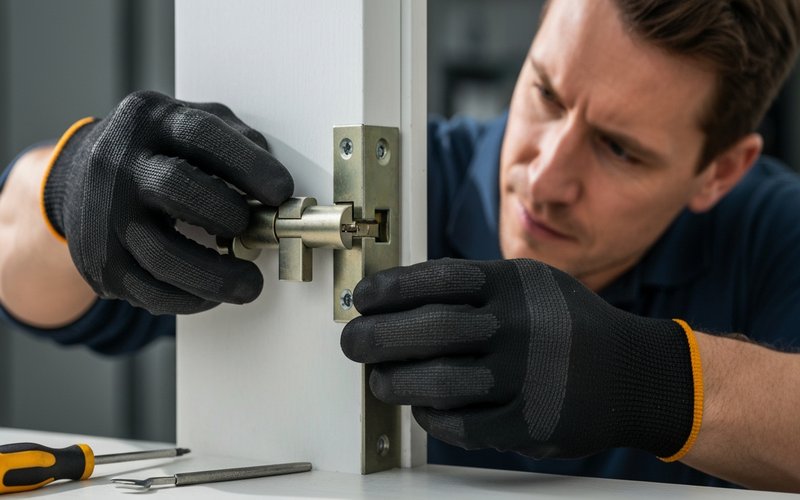
Being locked out of your home is one of the most common and frustrating experiences. In Huntington, we respond to dozens of residential lockout calls every week. The problem might stem from lost keys, keys locked inside, or simply forgetting your keys when you leave.
Immediate Solutions:
- Check all doors and accessible windows (without breaking anything)
- See if a trusted neighbor has your spare key
- Call a professional locksmith for non-destructive entry
- Avoid attempting to pick the lock yourself, which can cause damage
- Give a spare key to a trusted neighbor or family member
- Install a smart lock system with keypad or smartphone access
- Hide a spare key in a secure lockbox (not under the doormat)
- Keep a photo of your key in your phone for emergency duplication
Broken Keys in Locks
Keys break for several reasons: age, forcing a sticky lock, using the wrong key, or metal fatigue. Our coastal humidity in Suffolk County can also accelerate key deterioration. When a key breaks off inside a lock, it can completely prevent access.
What To Do:
- Don't attempt to force the broken piece deeper by inserting another key
- Try using needle-nose pliers if part of the key is visible
- Apply a small amount of lubricant to help ease extraction
- Call a professional locksmith who has specialized extraction tools
- Replace keys that show signs of wear or bending
- Keep locks properly lubricated (graphite powder works best)
- Never force a key that doesn't turn smoothly
- Have duplicate keys made before your originals wear out
Sticky or Jammed Locks
Locks that stick, jam, or require excessive force to operate are more than just annoying—they're warning signs of bigger problems. This issue is particularly common in older Huntington homes with original hardware.
Common Causes:
- Dirt and debris buildup inside the lock mechanism
- Rust from coastal humidity and salt air
- Misaligned door due to foundation settling
- Worn internal components
- Wrong or worn key being used
- Clean the lock with compressed air
- Apply graphite lubricant (never oil, which attracts dirt)
- Check door alignment and adjust hinges if needed
- Replace worn keys
- Upgrade to new locks if the mechanism is severely worn
Worn Out Deadbolts
Deadbolts are your primary defense against break-ins, but they don't last forever. The typical lifespan is 5-10 years with regular use, but coastal conditions can reduce this timeframe.
Warning Signs:
- Difficulty turning the key or thumb turn
- Bolt doesn't fully extend or retract
- Loose mounting or wiggling lock cylinder
- Visible rust or corrosion
- Lock operates but feels "crunchy" or rough
- Test your deadbolts monthly
- Upgrade to high-security deadbolts with hardened steel bolts
- Consider smart deadbolts for keyless convenience
- Replace any deadbolt showing signs of wear
- Ensure proper installation with screws penetrating the door frame
Auto Lock and Key Challenges: Car Access Issues
Modern vehicles have sophisticated security systems, which means car lock problems have become more complex. Here's what Huntington drivers commonly face and how to address these issues.
Car Lockouts
Accidentally locking your keys in your car is incredibly common, especially with modern vehicles that automatically lock. We receive numerous automotive lockout calls weekly in parking lots across Huntington.
Immediate Response:
- Check all doors and the trunk
- Look for any open windows
- Call a professional automotive locksmith (faster and cheaper than dealerships)
- Contact roadside assistance if you have coverage
- Never break a window unless it's a genuine emergency
Car lockout services in the Huntington area typically range from $50 to $150, depending on the time of day, vehicle make and model, and complexity of the security system. Emergency after-hours service may cost more. This is significantly less expensive than replacing a broken window, which can cost $200-500 or more.
Prevention:
- Keep a spare key in your wallet (not in the car)
- Use a magnetic hide-a-key box under the vehicle
- Program a trusted contact with your spare key into your phone
- Consider vehicles with keypad entry systems
Transponder Key Problems
Most vehicles manufactured after 1995 use transponder keys with embedded chips that communicate with your car's immobilizer system. When these fail, your car won't start even if the key turns in the ignition.
Common Issues:
- Dead transponder chip
- Damaged key or chip
- Programming errors
- Battery issues in key fob
- Interference from other electronic devices
- Replace the battery in your key fob (simple DIY fix)
- Have the key reprogrammed by a professional locksmith
- Get a replacement transponder key cut and programmed
- Keep a backup transponder key
Transponder key replacement through a locksmith typically costs $75-$250, while dealerships often charge $150-$500 for the same service. Professional locksmiths can usually program keys on-site in 30-60 minutes.
Broken Ignition Cylinders
Ignition cylinders wear out over time, especially if you have a heavy keychain that puts constant pressure on the cylinder. This can prevent your key from turning or even getting stuck.
Warning Signs:
- Key won't turn or gets stuck
- Ignition feels loose or wobbly
- Key won't insert fully
- Accessories work but car won't start
Ignition cylinder replacement requires specialized tools and knowledge. A professional automotive locksmith can replace the cylinder, rekey it to match your existing key, and ensure proper installation—all usually for less than dealership prices.
Key Fob Failures
Remote key fobs make life convenient, but they're also prone to failure. Dead batteries are the most common culprit, but physical damage and electronic failures also occur.
Troubleshooting Steps:
1. Replace the battery (usually a CR2032 or similar) 2. Reprogram the fob according to your vehicle's manual 3. Check for physical damage to buttons or casing 4. Test with your spare fob to rule out car receiver issues 5. Have a professional diagnose and repair or replace the fob
Commercial Lock and Security System Concerns
Businesses in Huntington face unique security challenges that require robust solutions. Commercial properties need higher-security locks, master key systems, and access control to protect assets, employees, and customers.
Master Key System Complications
Many businesses use master key systems that allow management to access all areas while restricting employee access to specific zones. When these systems malfunction or become compromised, it creates serious security vulnerabilities.
Common Problems:
- Lost master keys requiring complete rekeying
- Unauthorized key duplication
- Poorly planned systems with security gaps
- Keys that work in wrong locks
- Employee turnover requiring access changes
- Implement a restricted keyway system that prevents unauthorized copying
- Maintain detailed records of all keys and who has them
- Use high-security locks with patent-protected keys
- Rekey or replace locks when employees leave
- Consider upgrading to electronic access control systems
Access Control System Issues
Electronic access control systems offer superior security but can experience technical problems that lock employees out or fail to record entries properly.
Frequent Challenges:
- Card reader malfunctions
- Software glitches
- Power failures affecting electronic locks
- Lost or demagnetized access cards
- Integration issues with other building systems
- Maintain backup mechanical locks
- Keep spare cards programmed for emergencies
- Schedule regular system maintenance
- Update software and firmware regularly
- Train staff on troubleshooting basic issues
High-Security Lock Requirements
Commercial properties require locks that can withstand picking, drilling, and forced entry attempts. Standard residential locks simply don't provide adequate protection for businesses.
What You Need:
- Grade 1 deadbolts (highest ANSI/BHMA rating)
- Pick-resistant cylinders
- Drill-resistant plates and hardened components
- Restricted keyways to prevent unauthorized duplication
- Proper installation in solid doors and reinforced frames
Panic Bar and Exit Device Problems
Fire codes require panic bars on certain commercial doors, but these devices can malfunction, creating both safety hazards and security vulnerabilities.
Issues to Watch For:
- Bars that stick or don't release smoothly
- Doors that don't latch properly
- Alarms that false trigger or don't sound
- Worn components affecting operation
- Improper installation that violates fire codes
Panic bars must be maintained regularly and repaired by professionals who understand both security and fire safety requirements. Annual inspections are recommended.
Understanding Locksmith Costs and Pricing
One of the most common questions we hear is about pricing. Understanding what influences locksmith costs helps you budget appropriately and recognize fair pricing.
How Much Does A Locksmith Cost Per Hour?
In the Huntington and Suffolk County area, locksmith service rates typically range from $75 to $150 per hour for standard services during regular business hours. However, most locksmiths charge by the job rather than hourly, which is usually more economical for customers.
Factors Affecting Locksmith Pricing
Several variables influence the final cost of locksmith services:
Time of Service:
- Regular hours (8 AM - 6 PM): Standard rates
- After hours (6 PM - 8 AM): 25-50% premium
- Weekends: 15-30% premium
- Holidays: 50-100% premium
- Simple lockouts: $50-$100
- Lock rekeying: $20-$50 per lock
- Lock replacement: $100-$250 (including hardware)
- High-security lock installation: $200-$500+
- Automotive services: $75-$250
- Commercial services: $150-$500+
- Service call fee: $50-$75 (often waived if you proceed with service)
- Mileage charges for distant locations
- Premium hardware upgrades
- Emergency service surcharges
How Much Does It Cost To Unlock A Lock?
The cost to unlock a residential door in Huntington typically ranges from $75 to $150, depending on the lock type and time of service. Car unlocking usually costs $50-$150. High-security locks or safes may cost $150-$300 or more to unlock.
How Much Should It Cost To Replace A Door Lock?
A standard door lock replacement, including a quality lock and professional installation, typically costs $100-$200 per door. High-security or smart locks can range from $200-$500+ per door. If you're replacing multiple locks, many locksmiths offer package discounts.
Avoiding Hidden Fees
Reputable locksmiths provide upfront pricing before beginning work. Be wary of:
- Vague quotes over the phone
- Significantly lower prices than competitors (bait-and-switch tactics)
- Charges that weren't discussed beforehand
- Pressure to approve work immediately
- Cash-only payment requirements
- Clear explanation of what's included
- Written estimate before work begins
- Itemized invoice upon completion
- Multiple payment options
- Warranty on parts and labor
Emergency Locksmith Services: When Minutes Matter
True emergencies require immediate professional response. Understanding what constitutes a locksmith emergency and how to respond can prevent further damage and ensure your safety.
Genuine Emergency Situations
Not every lock problem is an emergency, but these situations demand immediate attention:
- Locked out with a child or pet inside
- Break-in requiring immediate security restoration
- Lost keys with concern about theft
- Malfunctioning locks preventing exit (fire hazard)
- Weather-related lockouts in extreme conditions
- Vehicle lockout in an unsafe location
24/7 Emergency Availability
Professional locksmiths serving Huntington maintain 24-hour emergency services because lock problems don't follow business hours. When choosing an emergency locksmith:
Look For:
- True 24/7 service, not just an answering service
- Fast response times (typically 20-30 minutes)
- Fully stocked service vehicles
- Licensed and insured technicians
- Upfront emergency pricing
- Standard emergencies: 20-30 minutes
- After-hours or remote locations: 30-60 minutes
- Complex commercial jobs: May require scheduling
Emergency Prevention Strategies
Many locksmith emergencies can be prevented with simple preparation:
1. Maintain spare keys with trusted individuals 2. Install smart locks with keypad backup access 3. Keep locksmith contact information readily available 4. Regular maintenance prevents unexpected failures 5. Address small problems before they become emergencies 6. Quality hardware reduces failure likelihood 7. Home security assessment identifies vulnerabilities
How To Identify A Trustworthy Local Locksmith
The locksmith industry unfortunately attracts some dishonest operators. Knowing how to identify legitimate, trustworthy professionals protects you from scams and ensures quality service.
Licensed, Bonded & Insured
In New York, locksmiths must be licensed. Always verify:
- Valid locksmith license
- Business insurance coverage
- Bonding for customer protection
- Registered business with verifiable address
- Good standing with Better Business Bureau
Red Flags To Avoid
Warning Signs of Scam Locksmiths:
- No physical business address listed
- Answering phone with generic "locksmith services" instead of company name
- Unmarked vehicles without company branding
- Quotes that dramatically increase upon arrival
- Pressure to drill locks that could be picked
- Demand for cash payment only
- Unwilling to show credentials
- Poor online reviews or no online presence
Qualities of Reputable Locksmiths
**