
As the seasons change in Huntington, NY, your home and business security systems face unique challenges that many property owners overlook. From the humid summers on Long Island to freezing winter temperatures, your locks and security hardware endure constant stress from weather fluctuations, salt air exposure, and temperature extremes. At Huntington Locksmith, serving the 11743 area and surrounding Suffolk County communities, we've seen firsthand how preventive maintenance can save property owners hundreds of dollars in emergency repairs while keeping their properties secure year-round. This comprehensive guide will walk you through essential seasonal maintenance tasks that will extend the life of your locks, prevent weather-related failures, and ensure your security systems remain reliable when you need them most.
Understanding How Seasons Affect Your Locks and Security Hardware
The changing seasons in the Huntington area create distinct challenges for your security hardware. Unlike many regions with stable climates, Long Island properties experience significant temperature swings, coastal humidity, winter freeze-thaw cycles, and salt-laden air that can accelerate wear on metal components. Your locks contain precision-manufactured parts with tight tolerances, and when moisture, dirt, or temperature extremes interfere with these mechanisms, performance degrades quickly.
During summer months, high humidity can cause metal components to corrode faster, while expansion from heat can affect how keys fit into cylinders. Fall brings leaves, pollen, and debris that can clog keyways and jam mechanisms. Winter presents perhaps the most challenging conditions, with freezing temperatures causing lubricants to thicken, moisture to freeze inside cylinders, and metal to contract. Spring thaw periods introduce moisture that penetrates previously sealed components, leading to rust formation and mechanical failures.
Understanding these seasonal impacts helps you anticipate problems before they become security vulnerabilities or leave you locked out at inconvenient times. Regular seasonal maintenance addresses these specific challenges, ensuring your security hardware performs reliably regardless of weather conditions.
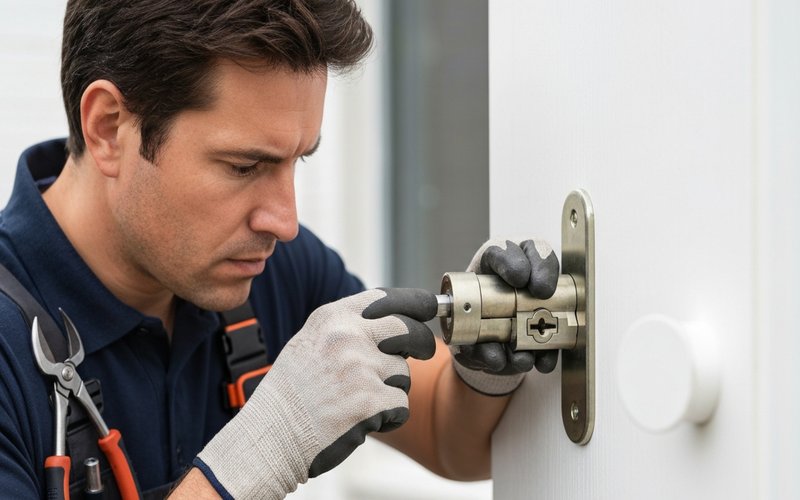
Spring Security System Checkup: Post-Winter Recovery
Spring is the ideal time for a comprehensive security assessment after winter's harsh conditions. Begin by inspecting all exterior locks for signs of moisture damage, rust formation, or mechanical stiffness. Pay special attention to locks that showed any resistance during winter months, as these likely accumulated moisture that will worsen if not addressed.
Start your spring maintenance routine by thoroughly cleaning all exterior locks and hardware. Use a soft brush to remove accumulated debris, salt residue, and winter grime from keyways and around lock bodies. For heavily soiled locks, a small amount of isopropyl alcohol on a cotton swab effectively removes stubborn buildup without damaging internal components.
After cleaning, test each lock multiple times with your key. Any resistance, sticking, or unusual sounds indicate internal issues requiring attention. Spring is also the perfect time to re-lubricate all locks using a graphite-based or silicone-based lubricant specifically designed for lock mechanisms. Avoid petroleum-based products like WD-40 for internal lock components, as these attract dust and can gum up mechanisms over time.
For properties with electronic access control systems, spring maintenance should include battery replacements in all keypad locks and smart locks, even if they're still functioning. Temperature extremes drain batteries faster than normal conditions, and proactive replacement prevents unexpected failures.
Spring Maintenance Checklist:
- Clean all exterior lock cylinders and hardware
- Remove salt and winter debris buildup
- Test all keys in every lock for smooth operation
- Re-lubricate lock mechanisms with appropriate products
- Replace batteries in electronic locks and keypads
- Inspect weatherstripping around doors for gaps
- Check door alignment after freeze-thaw cycles
- Test deadbolts for full extension and retraction
- Examine strike plates for loosening or damage
- Schedule professional inspection for commercial properties
Summer Preparation: Humidity and Security Considerations
Summer in Huntington brings high humidity levels that accelerate corrosion on metal components, particularly on coastal properties. Saltwater air compounds this issue, creating an environment where locks can deteriorate rapidly without proper protection. Summer is also when many homeowners experience increased vacation-related security concerns, making this an essential time to ensure all security systems function flawlessly.
Begin summer preparation by applying a thin coating of protective lubricant to all exterior lock cylinders. This creates a moisture barrier that helps prevent rust formation during humid months. For properties within a mile of the coast, consider upgrading to marine-grade locks specifically designed to resist salt air corrosion.
Summer is also an ideal time to address any door alignment issues. Heat causes wood doors to expand, which can lead to binding, difficulty locking, or incomplete latch engagement. If you notice doors becoming harder to close or locks requiring more force to engage, the door may need adjustment or the strike plate may need repositioning.
For vacation properties or homeowners planning extended summer travel, this is the perfect time to upgrade to smart locks that allow remote monitoring and access management. These systems let you grant temporary access to service providers while you're away and receive notifications of all entry and exit events.
Summer Security Enhancements:
- Apply corrosion-resistant lubricants to coastal-area locks
- Test all locks during peak humidity for smooth operation
- Address door swelling or binding issues promptly
- Consider upgrading high-use locks showing wear
- Install smart locks for vacation monitoring capabilities
- Verify all window locks function properly
- Check garage door opener security features
- Review who has keys and consider rekeying if needed
- Test security lighting and motion sensors
- Schedule professional security assessment before extended travel
Fall Lock Maintenance: Preparing for Temperature Drops
Fall presents unique maintenance opportunities as you prepare your security systems for winter's challenges. This transitional season allows you to address issues discovered during summer while implementing preventive measures that will protect your locks during the coldest months ahead.
Begin your fall maintenance by thoroughly cleaning all exterior locks and removing any debris, leaves, or dirt that accumulated during summer and early fall. Pay special attention to ground-level locks and those under overhangs where leaves tend to gather. Even small amounts of organic material can retain moisture that will freeze and expand inside lock mechanisms during winter.
Fall is the optimal time to apply cold-weather lubricants to all exterior locks. These specialized products remain fluid at low temperatures, preventing the lock-up issues common with standard lubricants. Apply sparingly to avoid attracting dirt, but ensure all moving parts receive adequate coverage.
This is also an excellent time to evaluate whether rekeying makes sense for your property. If you've had service providers, contractors, or previous tenants with keys, fall rekeying gives you fresh security before winter when break-ins typically increase due to early darkness and holiday absence patterns. Many property owners ask whether it's cheaper to rekey or replace locks entirely. In most cases, rekeying costs significantly less—typically ranging from $75 to $150 for a whole house compared to $150 to $300 per door for complete lock replacement. Rekeying makes financial sense when your existing locks are in good condition but you need to change who has access.
Fall Preparation Tasks:
- Clean all locks thoroughly before winter weather arrives
- Apply cold-weather lubricants to exterior mechanisms
- Test all locks with keys to identify stiffness issues
- Rekey locks if key control has been compromised
- Inspect door and frame condition before freezing weather
- Check all door sweeps and weatherstripping
- Verify garage door keypads function correctly
- Test all deadbolts for full throw engagement
- Replace worn keys before winter stress causes breakage
- Consider upgrading to freeze-resistant locks in exposed locations
Winter Lock Protection: Preventing Freeze-Related Failures
Winter in Huntington can be harsh on security hardware, with freezing temperatures, snow, ice, and freeze-thaw cycles creating perfect conditions for lock failures. The most common winter locksmith emergencies involve frozen cylinders, broken keys in frozen locks, and mechanisms that won't turn due to ice formation or thickened lubricants.
The key to winter lock performance is moisture prevention. Water is your lock's biggest enemy during cold weather. When moisture enters a cylinder and freezes, it expands, potentially damaging internal pins and springs. To prevent this, ensure your locks have adequate overhead protection from direct precipitation. For exposed locks, consider installing lock guards or protective covers that shield the cylinder from direct snow and rain exposure.
If you discover a frozen lock, never force the key or pour hot water directly into the cylinder. Hot water may temporarily melt ice but will refreeze quickly, often causing worse problems. Instead, use a lock de-icer spray, gently warm the key with a lighter before insertion, or carefully apply low heat with a hair dryer to the lock body. For automotive locksmith issues during winter, similar principles apply—forcing a frozen car lock can break the key inside the cylinder, turning a minor inconvenience into an expensive emergency requiring professional extraction.
Maintain a supply of lock de-icer in an accessible location (not inside the locked structure) and consider keeping a spare key with a trusted neighbor during winter months. For commercial properties, designate alternative entry points and ensure multiple staff members have access to prevent operational disruptions from frozen locks.
Winter Emergency Prevention:
- Keep lock cylinders clear of snow and ice accumulation
- Never force frozen locks or keys
- Maintain lock de-icer supplies in accessible locations
- Use graphite lubricant rather than liquid products in extreme cold
- Protect exposed locks with weatherproof covers
- Keep spare keys with trusted neighbors or in secure locations
- Test all locks during freezing weather for smooth operation
- Address any stiffness immediately before complete failure occurs
- Consider heated keypads for commercial applications
- Have emergency locksmith contact information readily available
Year-Round Maintenance Best Practices
Beyond seasonal considerations, certain maintenance practices should occur throughout the year to ensure optimal lock performance and security. Developing consistent habits prevents most emergency situations and extends the life of your security hardware significantly.
Monthly visual inspections take only minutes but can identify developing problems before they become emergencies. Check all exterior locks for signs of corrosion, loose mounting screws, or wear on keys. Test each lock's operation, noting any changes in resistance or sound. Locks that suddenly become harder to operate indicate internal wear or contamination requiring attention.
Key maintenance is equally important. Worn keys cause accelerated lock wear and increase the likelihood of breakage inside cylinders. If your keys show visible wear, have copies made from the original key if available, or have a locksmith cut new keys from the lock code. Never make copies from copies, as this multiplies imperfections and results in poor-fitting keys that damage lock pins.
For homes with multiple family members, implement a key control system that tracks who has keys and ensures lost keys are reported immediately. When keys go missing, rekeying should be considered, especially for exterior doors. The relatively low cost of rekeying—typically $20-$30 per lock when done as part of a multi-lock service—provides tremendous peace of mind compared to the potential costs of a security breach.
Ongoing Maintenance Schedule:
- Monthly visual inspections of all locks and hardware
- Quarterly testing of all security system components
- Annual professional security assessment
- Immediate attention to any operational changes
- Regular key inventory and condition assessment
- Prompt rekeying when keys are lost or compromised
- Documentation of all maintenance activities
- Rotation of batteries in electronic locks every six months
- Cleaning of exterior hardware after storms or severe weather
- Professional lubrication service every 12-18 months
Understanding Professional Locksmith Services and When to Call
While many maintenance tasks are suitable for property owners to perform, certain situations require professional locksmith expertise. Understanding when to DIY and when to call professionals prevents damage to expensive security hardware and ensures your safety isn't compromised by improper repairs.
Professional locksmiths should handle any situation involving lock rekeying, master key system installation, high-security lock installation, electronic access control programming, or safe servicing. These tasks require specialized tools and training that most property owners don't possess. Attempting these services yourself often results in damaged locks requiring complete replacement rather than simple repair.
Many property owners wonder about auto locksmith costs when they need car key replacement or are locked out of their vehicle. Automotive locksmith services typically range from $75 to $150 for basic lockout service, while key cutting and programming for modern vehicles with transponder chips can cost $150 to $400 depending on the vehicle's make and technology. While these costs may seem significant, they're typically less expensive than dealership alternatives and can be performed on-site, saving towing fees and time.
For those curious about locksmith industry economics, average pay for professional locksmiths in the Huntington area ranges from $45,000 to $75,000 annually, with experienced specialists and business owners earning considerably more. This reflects the combination of technical skill, licensing requirements, tool investment, and the 24/7 availability that characterizes quality locksmith services. When evaluating locksmith services, remember that the cheapest option often proves most expensive in the long run due to poor workmanship, unnecessary replacements, or hidden fees.
Identifying Quality Locksmith Services in Huntington
Choosing a reliable locksmith before you need emergency services is essential for Huntington property owners. Unfortunately, the locksmith industry includes disreputable operators who use misleading advertising, provide inflated quotes after arriving on-site, or perform unnecessary services.
Trustworthy Locksmith Indicators:
- Licensed, bonded, and insured with verifiable credentials
- Established local presence with physical address
- Transparent upfront pricing without hidden fees
- Professional branded vehicles and uniforms
- Positive reviews from local customers
- Membership in professional organizations
- Willingness to provide detailed estimates
- Clear explanation of services needed
- Respect for your property and time
- Comprehensive service offerings for all lock types
Commercial Property Security Maintenance Considerations
Commercial properties in Huntington face unique security maintenance requirements due to higher traffic volumes, multiple access points, employee turnover, and regulatory compliance considerations. Business owners should implement more rigorous maintenance schedules than residential properties to prevent operational disruptions and maintain insurance compliance.
Commercial lock maintenance should include quarterly professional inspections of all access points, with particular attention to high-traffic doors where wear occurs rapidly. Master key systems require regular auditing to ensure key control remains effective and that terminated employees no longer have access. Many businesses benefit from transitioning to electronic access control systems that eliminate key management challenges while providing detailed access logs for security auditing.
For businesses with essential operating hours, developing relationships with commercial locksmith services that offer priority emergency response prevents costly operational disruptions. The cost of emergency commercial locksmith services is generally offset by the revenue losses from being unable to open for business or from security breaches due to malfunctioning locks.
Commercial Maintenance Requirements:
- Quarterly professional security assessments
- Immediate rekeying upon employee termination
- Master key system audits and key inventory management
- ADA-compliant hardware maintenance and updates
- Fire code compliance for panic hardware and exit devices
- Electronic access control system programming updates
- High-security lock installation for sensitive areas
- Surveillance system integration with access control
- After-hours emergency locksmith service agreements
- Annual security system technology upgrades
Smart Lock and Electronic Security System Maintenance
Modern properties increasingly incorporate electronic locks, smart access systems, and integrated security technology that requires different maintenance approaches than traditional mechanical locks. While these systems offer tremendous convenience and security advantages, they introduce new maintenance considerations.
Electronic locks require regular battery replacement—typically every 6-12 months depending on usage and climate. However, cold weather significantly reduces battery life, so properties in Huntington should plan for more frequent winter replacements. Most smart locks provide low-battery warnings, but these should prompt immediate replacement rather than waiting for complete failure.
Software updates are essential for smart lock security. Manufacturers regularly release updates that address security vulnerabilities and improve functionality. Configure your smart locks to accept automatic updates or manually check for updates quarterly. Failure to maintain current software can leave your security system vulnerable to digital attacks.
Smart lock maintenance also includes regular cleaning of touchpads, biometric readers, and electronic components. Use appropriate cleaners that won't damage sensitive electronics—typically alcohol-based screen cleaners work well. Avoid excessive moisture near electronic components and ensure weatherproof smart locks maintain their sealing integrity.
Emergency Preparedness and Lockout Prevention
Despite best maintenance practices,